The Short Answer: Yes, With the Right Crew
Homeowners ask us this every November: "Can you really replace a roof in a Chicago winter?" Yes. Roofs get replaced all winter long across Chicagoland. But winter roofing is not the same as summer roofing, and the difference between a roof that lasts 25 years and one that leaks in March comes down to how the crew handles the cold.
Here's what changes in winter, what a good contractor does differently, and how to decide whether to replace now or wait until spring.
What Changes When It's Cold
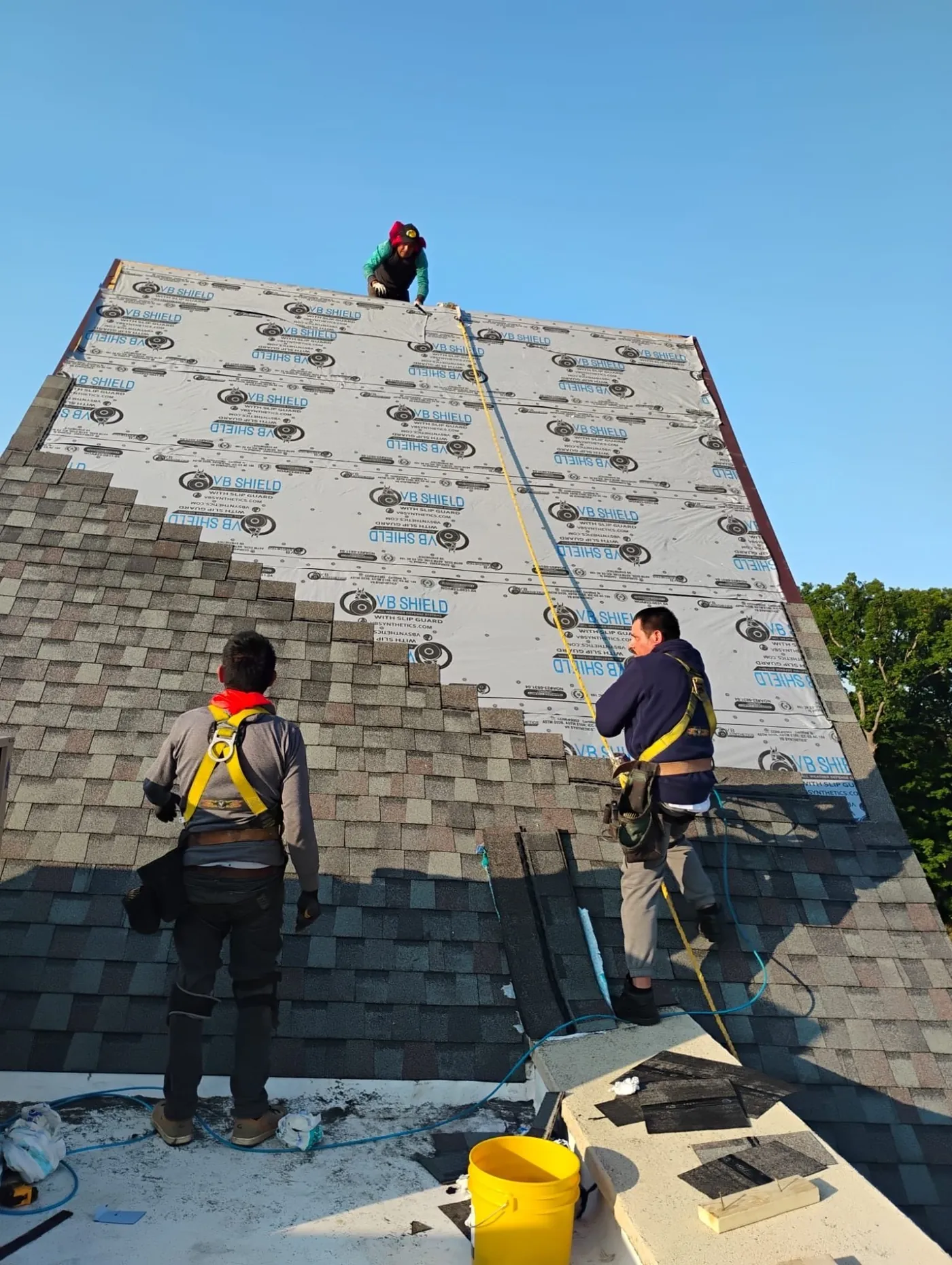
Shingles don't self-seal right away. Asphalt shingles have a sealant strip that bonds each shingle to the one below. It needs warmth and sun to activate. In cold weather, that bond can take weeks to form, which leaves shingles more exposed to wind lifting. The fix is hand-sealing: a crew applies roofing cement under the shingle tabs so they hold until the strip bonds on its own in spring.
Shingles get stiff. Cold shingles are more brittle and can crack when they're bent over ridges and hips or cut. Good crews store bundles somewhere warmer, handle them carefully, and avoid bending cold shingles.
Nailing matters more. Pneumatic nail guns have to be adjusted for the cold so nails sit flush without blowing through stiff shingles. Overdriven nails are a common cause of winter blow-offs.
Days are shorter. Less daylight means the crew has to plan so the roof is fully dried-in (underlayment down and watertight) before dark, every day. No section should ever be left open overnight.
Snow and ice have to come off first. Shingles can't go on over snow, ice or frost. A winter job starts with clearing the roof safely and only working on a dry deck.
What a Good Winter Roofer Does Differently
Need a Roof Before Spring?
We replace roofs year-round across Chicagoland. Get a free inspection and an honest answer on whether it should be done now or can wait.
Book a Free InspectionReplace Now or Wait Until Spring?
Replace now if:
- Your roof is actively leaking in more than one place, or leaks every time it rains or snow melts
- You have storm damage with an open insurance claim (waiting can make the damage worse and complicate the claim)
- The decking is soft or rotted, or you can see daylight in the attic
- You're selling the home in early spring and need the roof done before listing
It can usually wait if:
- The roof is old but not leaking, and a few targeted repairs will get you safely through winter
- The damage is limited to a small area that can be repaired now and replaced in spring
Not sure which one you are? That's exactly what a free inspection is for. If a roof repair will hold until spring, we'll tell you.
Does Winter Roofing Cost More?
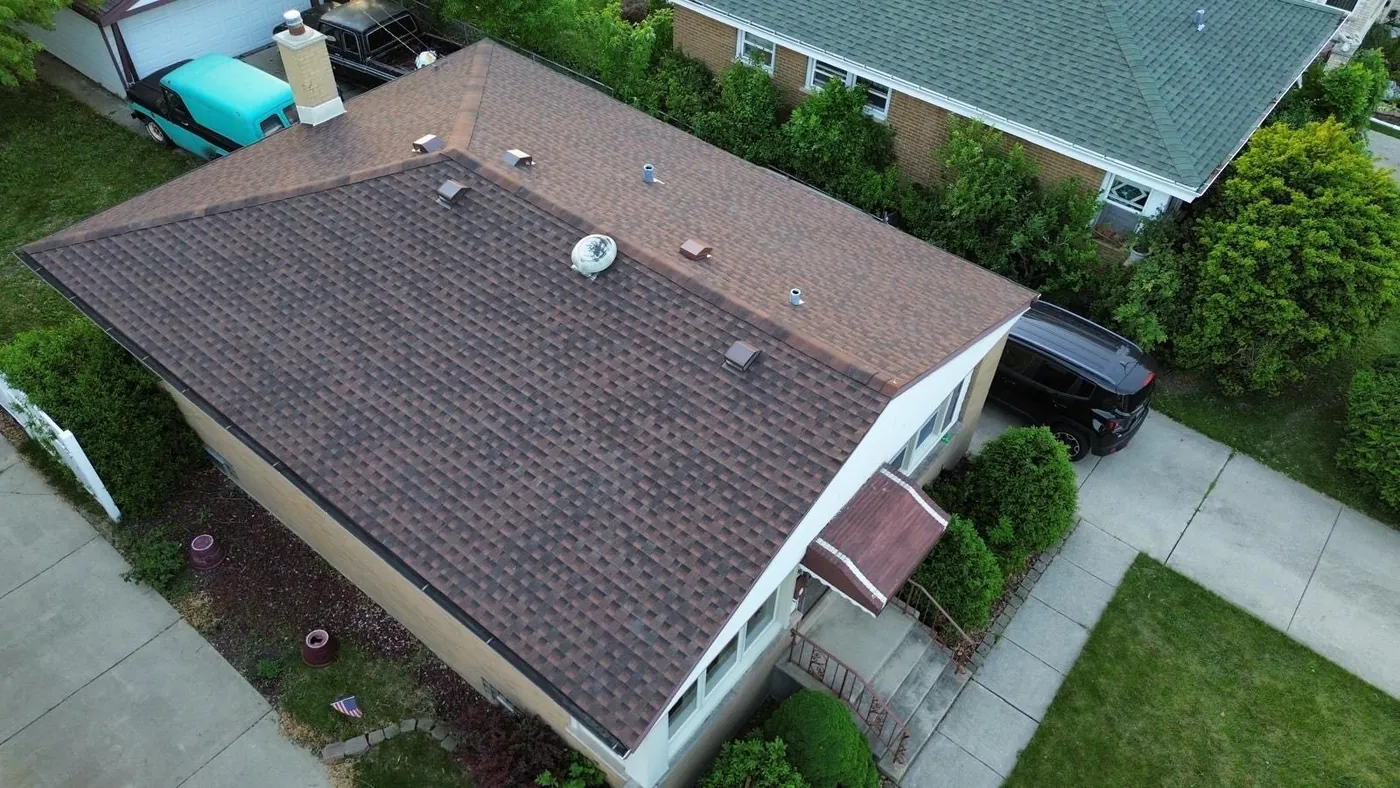
Usually not much, if at all. Some contractors are slower in winter and have more open dates, which can make scheduling easier. Extra labor for snow removal or hand-sealing can add a little to the price. Either way, you should get a written estimate before any work starts, the same as any other time of year. Our roof replacement cost guide covers typical price ranges in Chicagoland.
Flat Roofs in Winter
Flat and low-slope roofs on two-flats, condo buildings and commercial properties can also be replaced in winter, but the membrane matters. TPO is heat-welded, so it can be installed in colder weather than many adhesive-based systems, as long as the surface is dry and clear of ice. See our TPO roofing and commercial flat roofing pages for more.
Frequently Asked Questions
Can you replace a roof in winter in Chicago?
Yes. Roofs are replaced year-round in Chicagoland. In cold weather a good crew only tears off on dry days, dries in each section the same day, hand-seals shingles and adjusts nailing for the cold.
What temperature is too cold to install shingles?
There isn't one single cutoff, but below about 40°F shingles won't self-seal right away and get more brittle. That's why winter installs use hand-sealing and extra care. Snow, ice or frost on the deck means no shingles go down until it's cleared and dry.
Is it cheaper to replace a roof in winter?
Sometimes scheduling is easier in winter, but the price is usually similar. Extra work like snow removal can add a little. Always get a written estimate first.
Should I wait until spring to replace my roof?
If your roof isn't leaking and the damage is limited, a repair can often carry you safely to spring. If it's leaking in several places, has storm damage or the decking is failing, replacing now is usually the better call.