Why Fall Prep Matters in Chicago
Every winter, Chicago homeowners spend thousands on emergency roof repairs that could have been prevented with a few hours of fall preparation. Ice dams, burst pipes from attic condensation, shingle blow-offs from November winds — almost all of it is avoidable if you prep your roof before temperatures drop.
Whether you're in Hinsdale, Oak Brook, Elmhurst, Highland Park, Park Ridge, Wilmette, Glencoe, Northbrook, or anywhere in Chicagoland, this checklist will protect your home and your wallet.
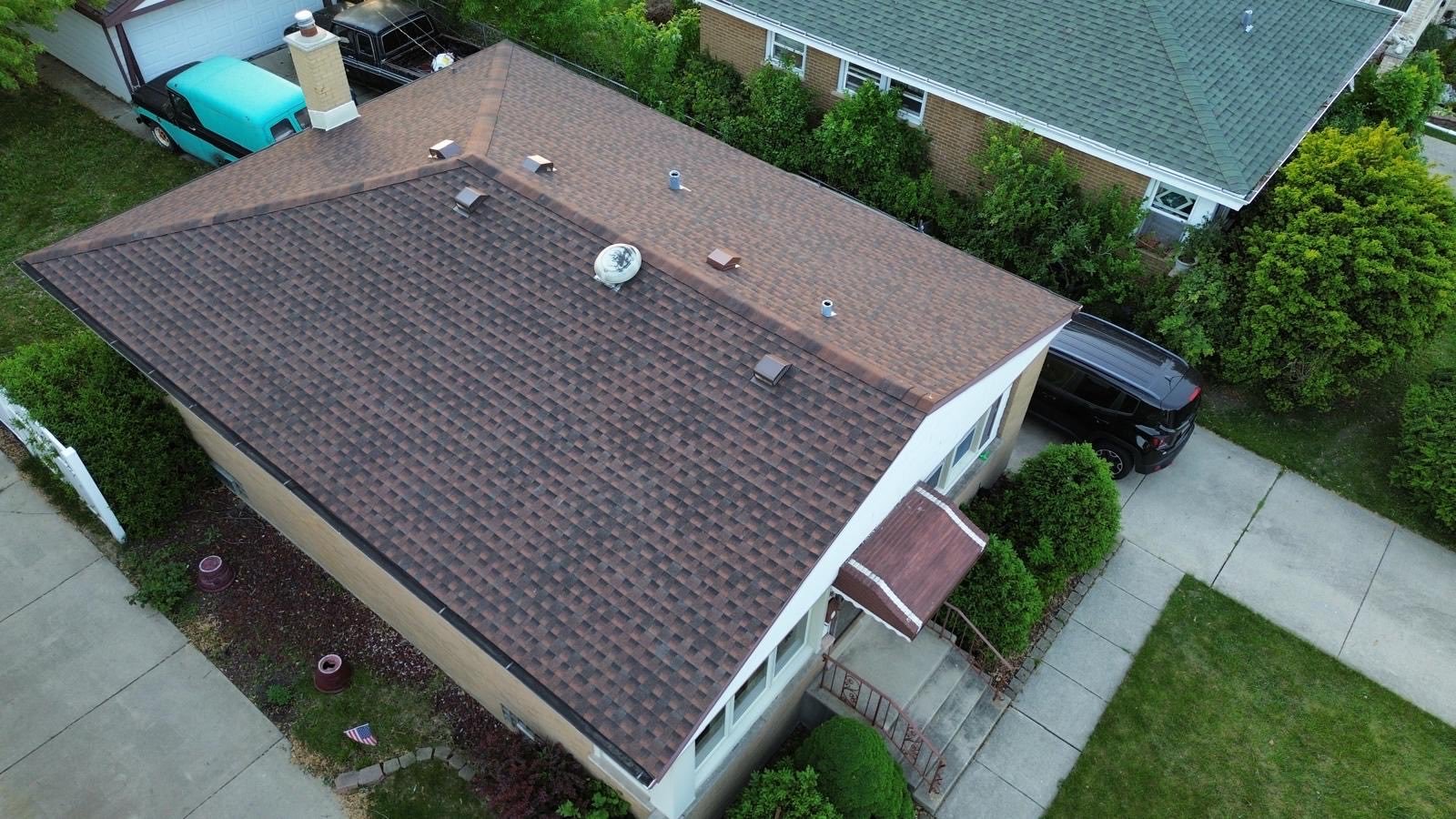
The Pre-Winter Roof Checklist
1 Get a Professional Roof Inspection
If your roof is over 10 years old, schedule a professional inspection before October. A roofer can spot problems you can't see from the ground — cracked flashing, worn sealant around pipe boots, shingles that are starting to curl, or soft spots in the decking. A $200 inspection now can save a $15,000 emergency replacement in January.
2 Clean Your Gutters — Twice
Clogged gutters are the #1 cause of ice dams. When gutters are full of leaves and debris, water can't drain. It backs up, freezes along the eaves, and forces water under your shingles. Clean gutters once after the leaves fall in October and again in late November after the last trees are bare.
3 Check and Repair Flashing
Flashing around chimneys, skylights, vents, and wall junctions is where most winter leaks start. Inspect every piece of flashing for gaps, rust, or lifted edges. Re-caulk any areas where sealant has dried out or separated. This is your last chance before freeze-thaw cycles exploit every tiny gap.
4 Inspect Your Attic Insulation
This is the biggest one most homeowners skip. Inadequate attic insulation is the root cause of ice dams. When heat escapes through the roof, it melts snow on top. The meltwater runs down to the cold eaves, refreezes, and creates an ice dam that traps water under your shingles. If your attic insulation is less than 12 inches deep, add more before winter. The energy savings alone pay for the insulation within a year or two.
5 Check Attic Ventilation
Your attic needs airflow — ridge vents at the top, soffit vents at the bottom. Proper ventilation keeps the attic cold (which prevents snow from melting unevenly) and prevents moisture buildup that leads to mold and rotted decking. Make sure nothing is blocking your soffit vents — insulation batts are a common culprit.
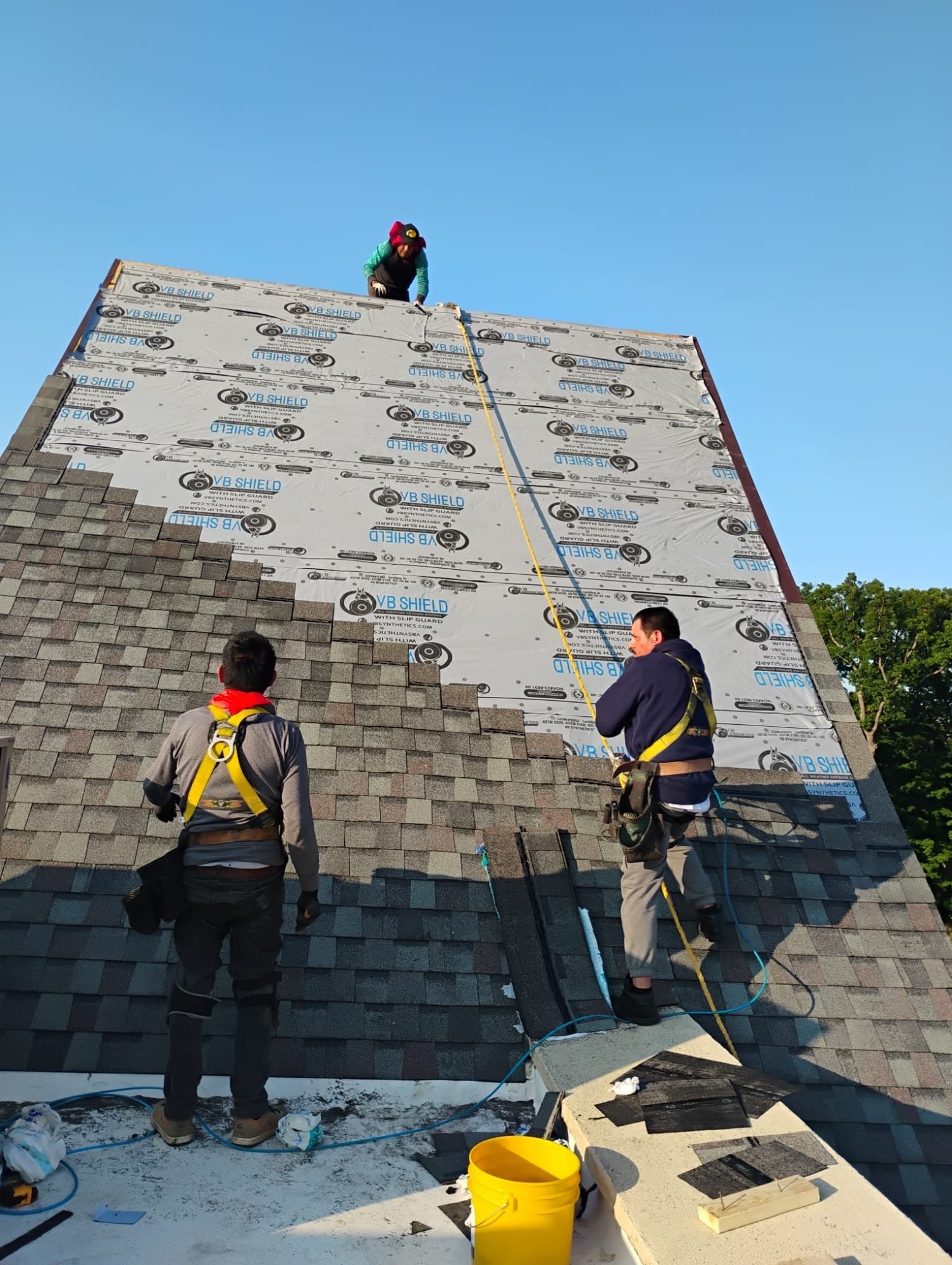
6 Replace Missing or Damaged Shingles
One missing shingle in October becomes a major leak in December. Walk around your home and look up — binoculars help. If you see missing, cracked, or curled shingles, get them replaced before the first freeze. A single-shingle repair costs $100-300. A water-damaged ceiling costs $2,000+.
7 Trim Overhanging Branches
Heavy snow and ice load can snap branches onto your roof. Any limb hanging within 6 feet of the roof surface should be trimmed before winter. This also reduces leaf debris that clogs gutters and traps moisture.
8 Check Your Flat Roof Drainage
If you have a flat roof section — common on Chicago bungalows and two-flats — make sure all drains and scuppers are clear. Standing water on a flat roof freezes, expands, and can crack the membrane. Proper drainage is critical before winter.
What About Snow Removal?
Generally, you don't need to remove snow from a properly built pitched roof — it's designed to handle the load. But there are exceptions. If snow accumulates more than 18-24 inches, or if you see sagging or hear creaking, call a professional. Never try to shovel your own roof — it's dangerous and you'll likely damage the shingles.
For flat roofs, the threshold is lower. More than 12 inches of heavy wet snow should be removed by a professional to prevent structural stress.
When to Call a Pro vs DIY
DIY: Gutter cleaning, trimming branches, checking for visible damage from the ground, adding attic insulation (if accessible).
Call a professional: Getting on the roof for inspection, flashing repair, shingle replacement, ventilation issues, anything involving the attic structure. A fall from a wet roof is not worth saving $200.
GSKI's Pre-Winter Inspection
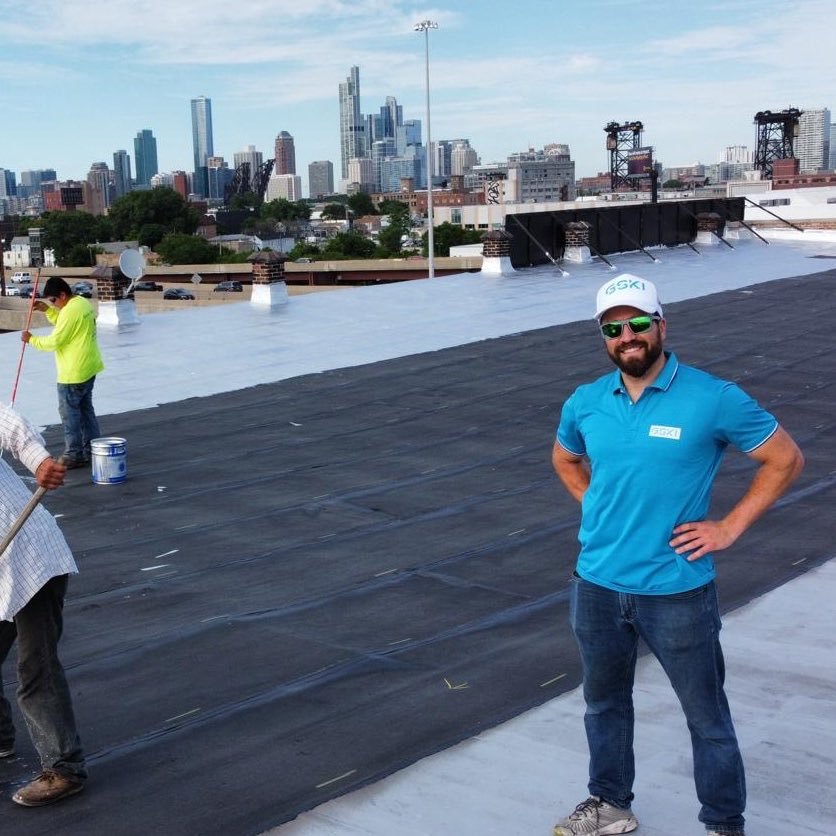
We offer free pre-winter roof inspections for homeowners across Chicago, Hinsdale, Oak Brook, Elmhurst, Oak Park, Highland Park, Park Ridge, Wilmette, Glencoe, and Northbrook. We get on the roof, check every shingle, every piece of flashing, every penetration point, and give you an honest assessment of what needs attention before winter. If we find storm damage from the summer, we'll help you file an insurance claim.
Schedule Your Pre-Winter Inspection
Don't wait for the first freeze — get your roof checked now while repairs are still easy.
Get Your Free Inspection