The Short Answer: Yes, Usually
If your roof was damaged by a covered event — hail, wind, falling trees, lightning, or a tornado — your standard Illinois homeowner's insurance policy typically covers the cost of repair or replacement. You'll be responsible for your deductible (usually $1,000–$2,500), and insurance covers the rest.
However, insurance does not cover damage caused by normal wear and tear, age, neglect, or lack of maintenance. That's the key distinction — was the damage caused by a sudden event or gradual deterioration? Your insurance company will send an adjuster to determine this.
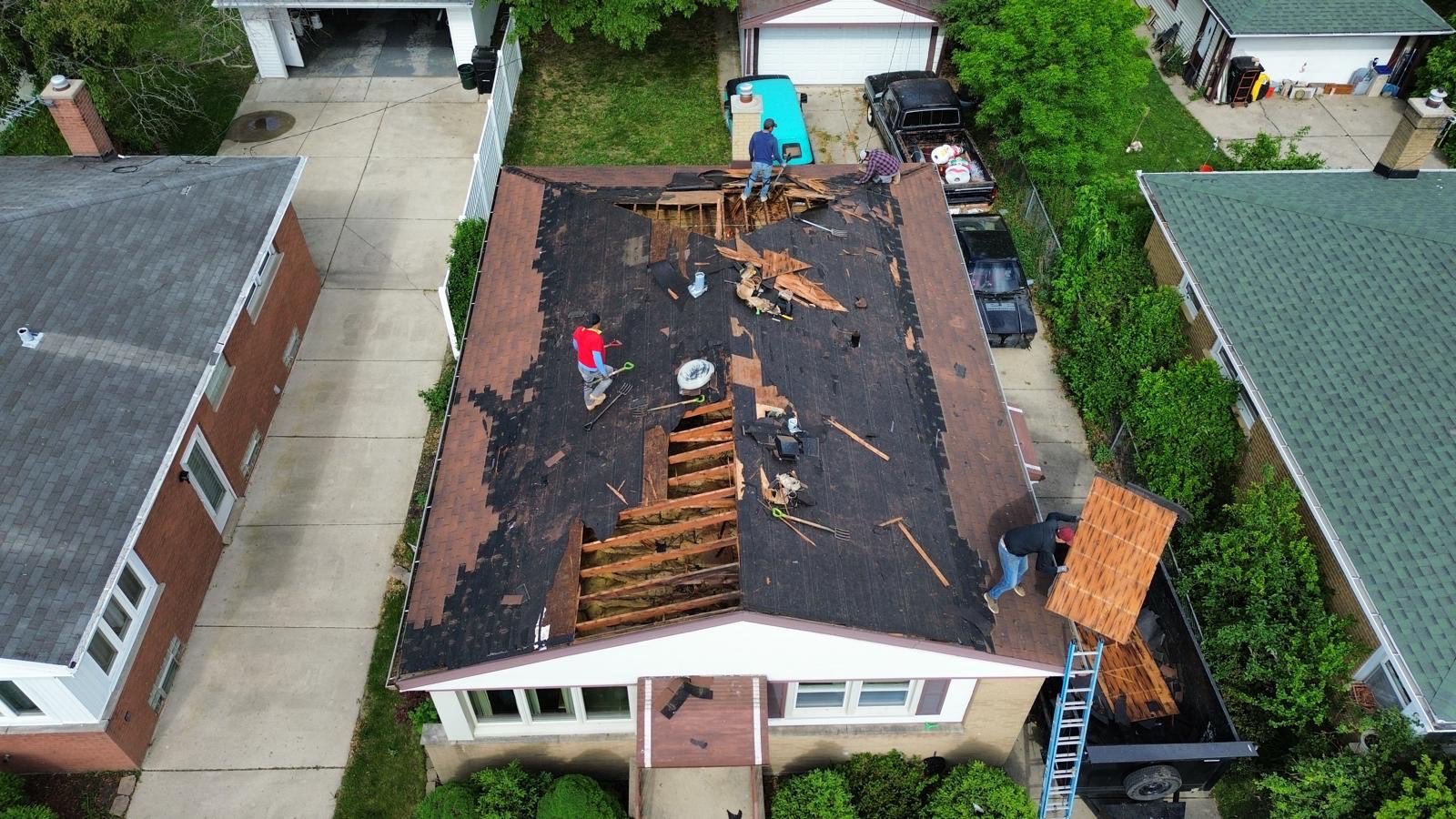
What Types of Storm Damage Are Covered?
Hail damage is the most common roof insurance claim in Illinois. Hail can crack, dent, or dislodge shingles without being visible from the ground. If your area was hit by a hailstorm, get an inspection even if your roof looks fine from the street — the damage is often only visible up close.
Wind damage from straight-line winds, thunderstorms, or tornadoes can lift, tear, or remove shingles entirely. Missing shingles after a storm are a clear sign of a covered claim.
Falling debris — tree branches, limbs, or other objects that land on your roof during a storm are covered events.
Ice dams — in Illinois winters, ice dams can form along the eaves and force water under shingles. Damage caused by ice dams is typically covered, though the ice dam itself (prevention) may not be.
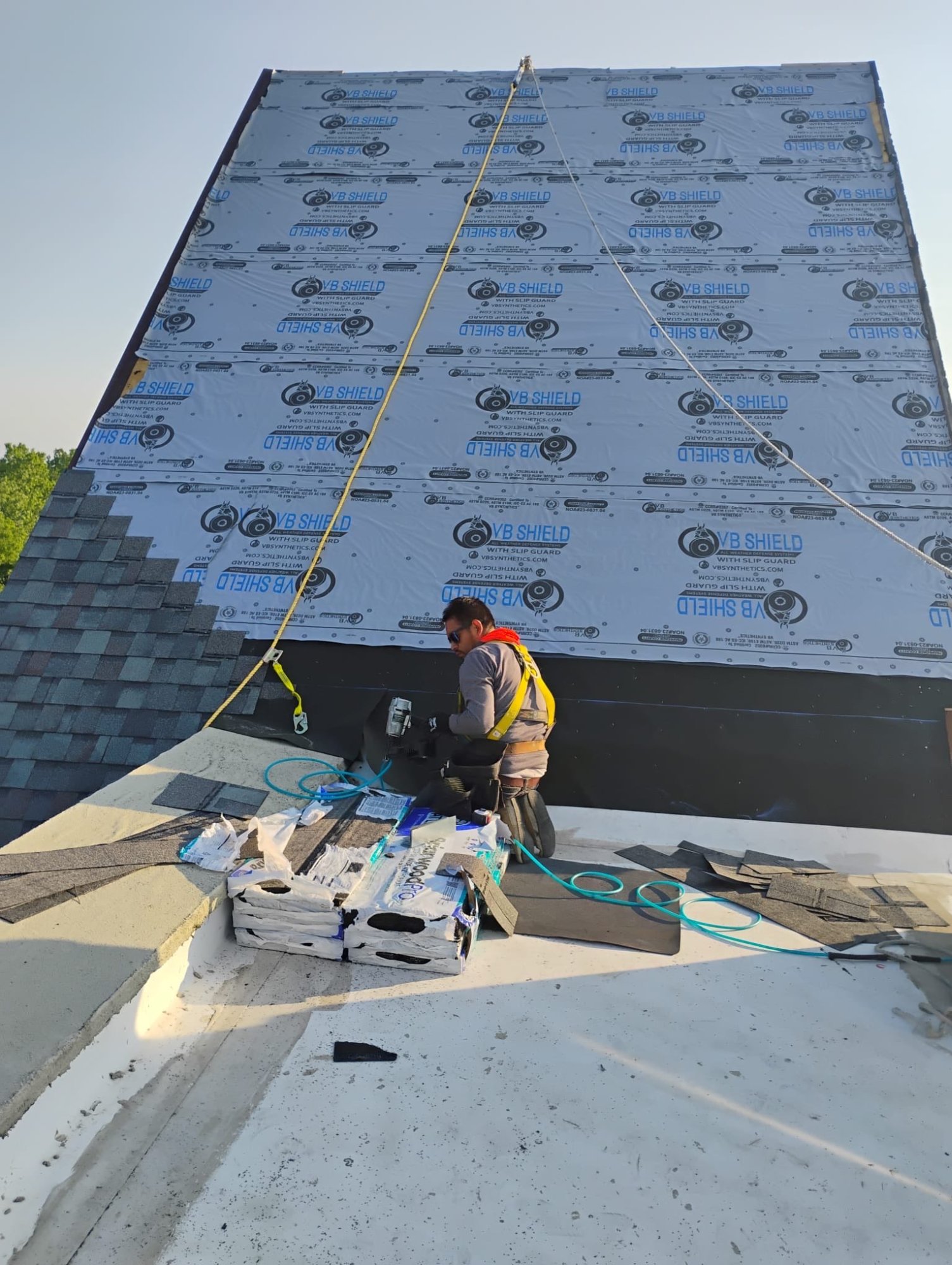
What's NOT Covered?
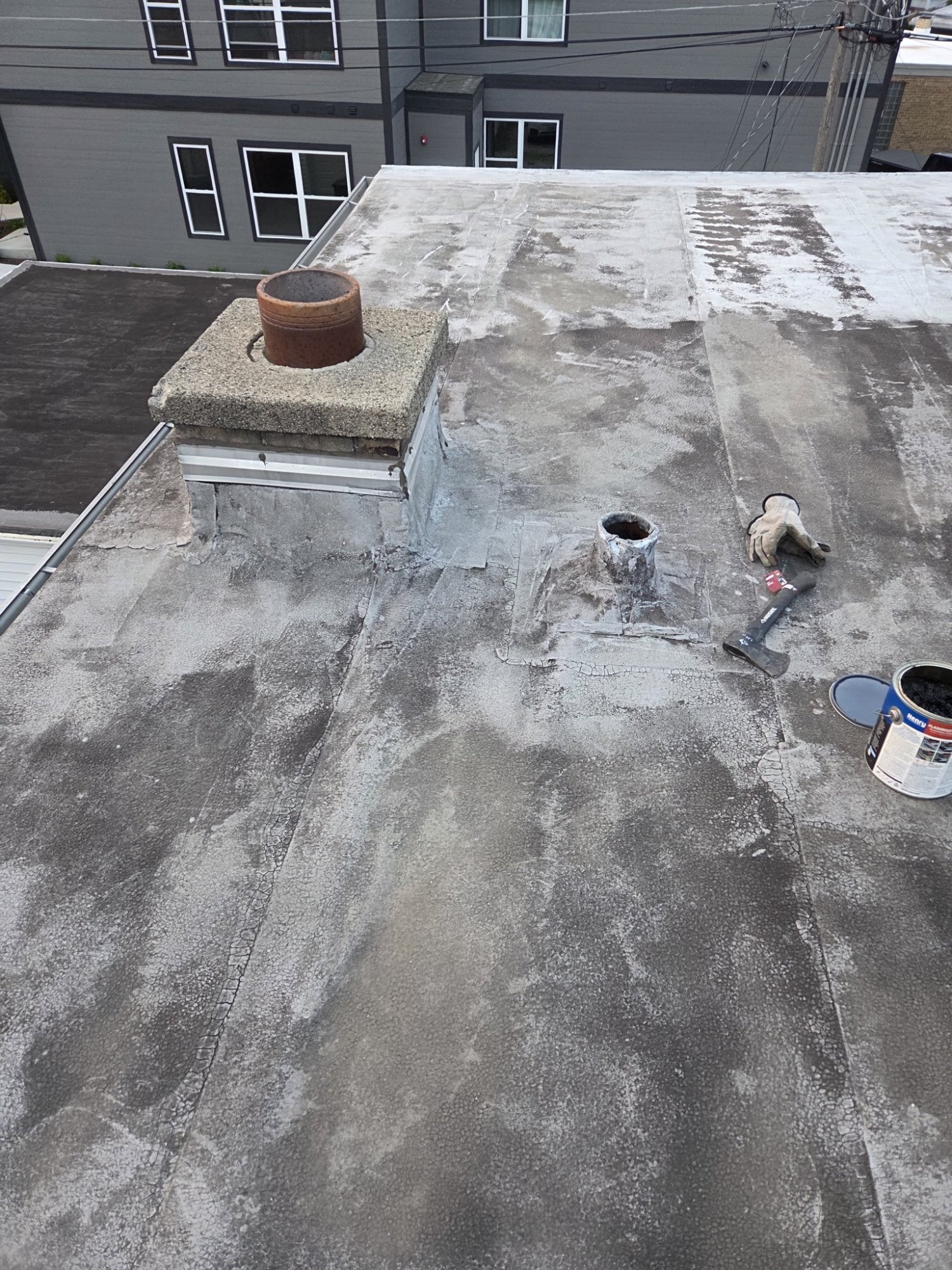
Age and wear — if your roof is 25 years old and shingles are curling, that's not storm damage. Insurance won't cover a roof that's simply at the end of its lifespan.
Maintenance neglect — if you never cleaned gutters and water backed up under the shingles, or if a known leak went unrepaired for months, the resulting damage may be denied.
Cosmetic damage — some policies exclude purely cosmetic damage (dents that don't affect function). Check your policy language carefully.
How to File a Roof Insurance Claim: Step by Step
Step 1: Document the damage. Take photos and videos of any visible damage from the ground. Don't climb on the roof — that's what professionals are for. Note the date of the storm.
Step 2: Call your insurance company. Report the damage and open a claim. They'll assign a claim number and schedule an adjuster visit.
Step 3: Get a professional roof inspection. Before the adjuster arrives, have a licensed roofing contractor inspect your roof and document all damage. This gives you an independent assessment to compare against the adjuster's findings.
Step 4: Be present for the adjuster's visit. Having your roofing contractor present when the insurance adjuster inspects the roof is critical. They can point out damage the adjuster might miss and ensure nothing is overlooked.
Step 5: Review the estimate. If the insurance company's estimate seems low, you have the right to dispute it. Your contractor's documentation is your strongest tool here.
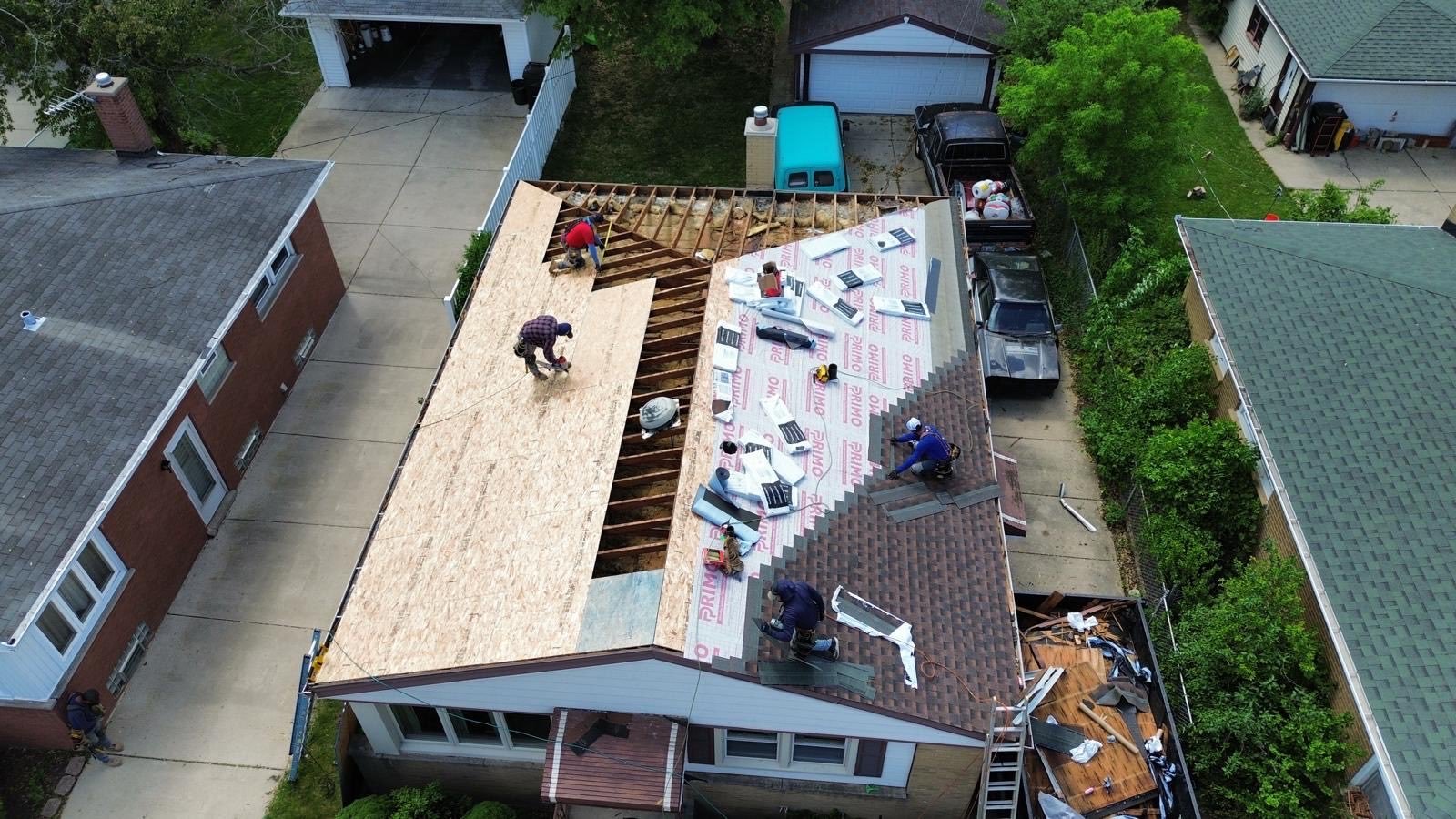
How GSKI Construction Helps with Insurance Claims
At GSKI Construction, insurance claim work is one of our specialties. Here's what we do for homeowners across Chicago, Hinsdale, Oak Brook, Elmhurst, Highland Park, Park Ridge, Wilmette, Glencoe, and Northbrook:
Free storm damage inspection — we come out, inspect your roof, and document every bit of damage with photos and detailed notes. No cost, no obligation.
We meet with your adjuster — we'll be on-site when the insurance adjuster inspects the roof. Our experience means we know what to look for and how to communicate damage in insurance terminology.
We handle the paperwork — from documentation to supplemental claims if additional damage is found during tear-off, we manage the process so you don't have to.
You pay your deductible, insurance covers the rest — many of our clients have had their entire roof replacement covered by insurance. Your out-of-pocket cost is typically just your deductible.
Common Mistakes That Get Claims Denied
Waiting too long to file. Most Illinois insurance policies require you to file within one year of the damage. Some recommend filing within 60 days. Don't wait.
Not documenting the storm. Save weather reports, news articles, and any records of the storm event. This supports your claim.
Making temporary repairs without documentation. If you need to tarp a roof to prevent further damage, take photos before and after. Emergency repairs are covered, but you need proof.
Accepting the first estimate without question. Adjusters can miss damage. Having a contractor's independent inspection gives you leverage to negotiate.
Think Your Roof Has Storm Damage?
Get a free inspection — we'll document everything and help you navigate the insurance process.
Request a Free Storm Damage Inspection