Why Maintenance Matters in Chicago
Chicago's climate is uniquely brutal on roofs. You get everything — heavy snow loads in winter, freeze-thaw cycles that crack and expand every tiny gap, summer heat that degrades shingles, hail storms that dent and dislodge materials, and wind that lifts edges and flashing. A roof that would last 30 years in a mild climate might only make it 20 in Chicagoland without proper maintenance.
The good news: most roof problems are preventable. A quick seasonal check catches small issues before they become $10,000 emergencies. Here's what homeowners across Hinsdale, Oak Brook, Elmhurst, Highland Park, Park Ridge, Wilmette, Glencoe, Northbrook, and Oak Park should be doing each season.
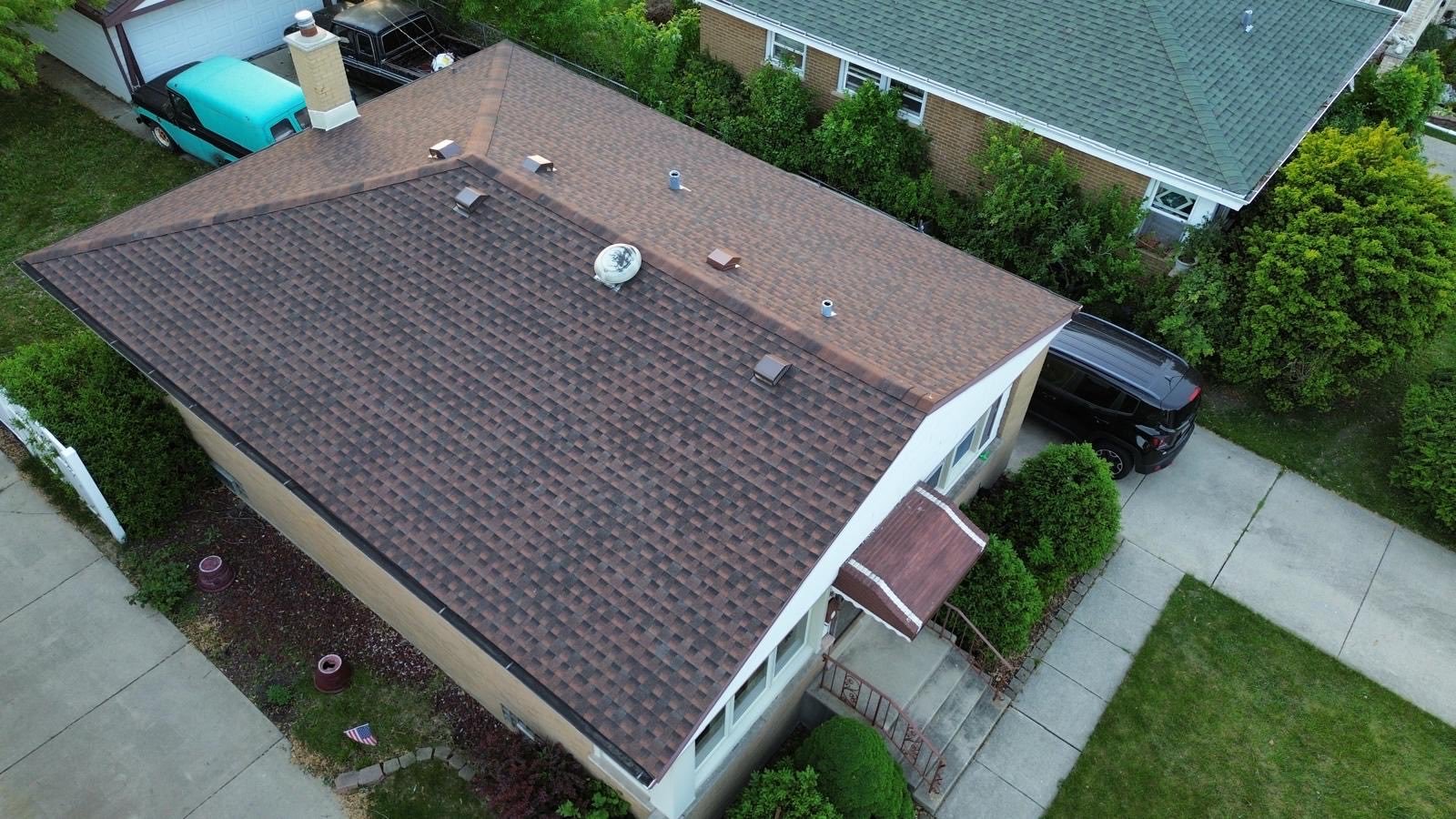
Spring Spring Checklist (March–May)
Spring is the most important maintenance season in Chicago. Winter just put your roof through months of stress — now it's time to assess the damage.
Inspect for winter damage. Look for missing, cracked, or curled shingles from the ground with binoculars. Check flashing around chimneys, vents, and skylights for gaps. After a harsh Chicago winter, damage is common even on newer roofs.
Clean the gutters. Winter debris, ice dam residue, and early spring leaves clog gutters fast. Clogged gutters cause water to back up under shingles, leading to leaks and fascia rot. This is the #1 preventable cause of roof damage.
Check the attic. Go into the attic and look for water stains, mold, or daylight coming through the roof boards. Moisture in the attic after winter usually means ice dams pushed water under the shingles.
Schedule a professional inspection. If your roof is over 10 years old, a spring inspection by a licensed roofer catches problems you can't see from the ground. Most reputable contractors offer free inspections.
Summer Summer Checklist (June–August)
Check for storm damage after every major storm. Chicago summers bring thunderstorms, hail, and high winds. After any significant weather event, do a ground-level visual check. Look for missing shingles, dented gutters, or debris on the roof.
Trim overhanging branches. Tree limbs rubbing on shingles accelerate wear. Branches that overhang the roof drop leaves that trap moisture. Trim anything within 6 feet of the roof surface.
Inspect caulk and sealant. Summer heat causes caulk around flashing, pipe boots, and vents to dry out and crack. Re-caulk any areas that look dried or separated.
Check attic ventilation. Your attic should have adequate airflow — ridge vents, soffit vents, or gable vents. Poor ventilation in summer causes heat buildup that degrades shingles from underneath and drives up cooling costs.
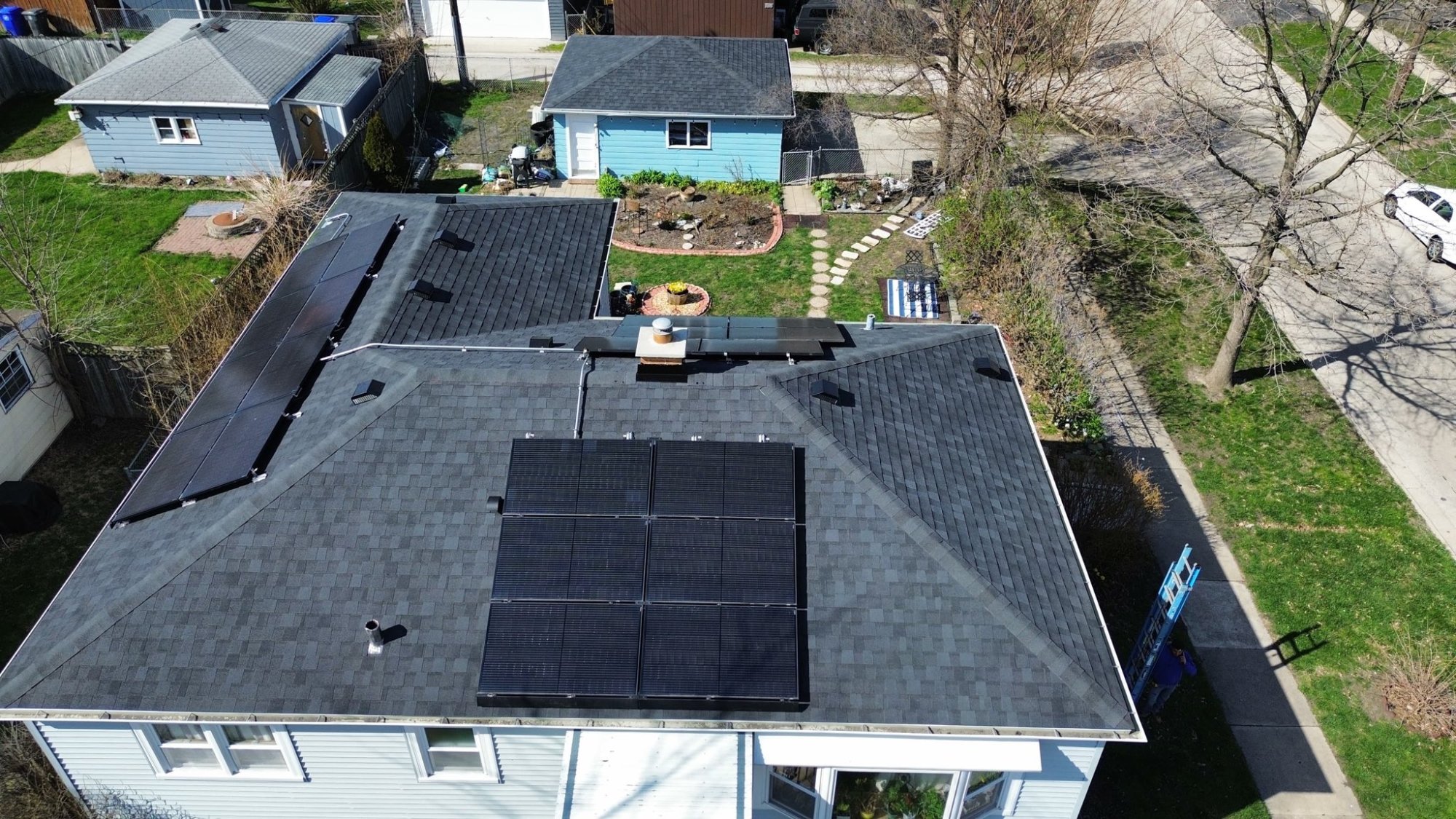
Fall Fall Checklist (September–November)
Clean gutters again. Leaves are the enemy. Clean gutters and downspouts before the first freeze. If gutters are clogged when winter hits, ice dams are almost guaranteed.
Inspect flashing one more time. Flashing around chimneys, skylights, and wall junctions should be tight and sealed. This is your last chance to fix gaps before winter water and ice exploit them.
Check for moss or algae growth. If you see green growth on north-facing slopes, address it now before winter locks it in. Moss works under shingles and accelerates deterioration.
Ensure proper insulation. Adequate attic insulation prevents heat from escaping through the roof, which is what causes ice dams. If your attic floor insulation is less than 12 inches deep, consider adding more before winter.
Winter Winter Checklist (December–February)
Watch for ice dams. If you see icicles forming along the eaves, that's a warning sign. Ice dams form when heat escapes through the roof, melts snow, and the meltwater refreezes at the cold eaves. The resulting ice ridge traps water that seeps under shingles.
Don't let snow pile up. If snow accumulates more than 12 inches on a flat section, consider having it removed. Heavy snow loads stress the roof structure, especially on flat roofs and older homes.
Never chip ice off the roof. It's tempting to hack at ice dams with a hammer or axe, but you'll damage the shingles underneath. Use calcium chloride ice melt in a sock laid across the dam, or call a professional.
Monitor from inside. Check ceilings and walls for new water stains during and after storms. Catching a leak early in winter prevents months of hidden water damage.
When to Call a Professional
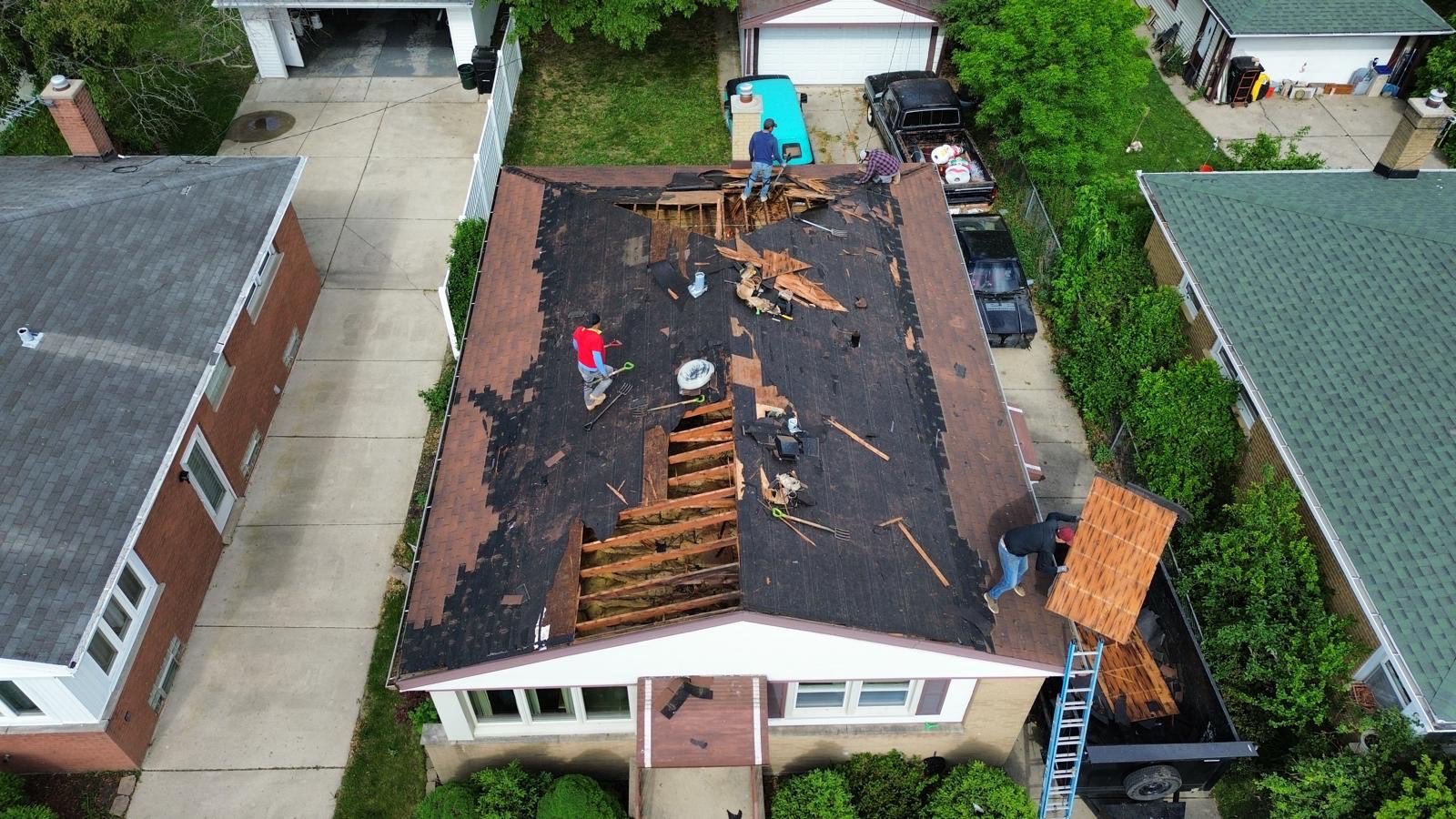
DIY visual inspections are great, but some things require a licensed roofer. Call a professional if you see sagging areas on the roof, active leaks inside the home, multiple missing or damaged shingles, flashing that's visibly separated or rusted, significant moss or algae growth, or if your roof is over 15 years old and hasn't been professionally inspected.
At GSKI Construction, we provide free roof inspections for homeowners across Chicago, Hinsdale, Oak Brook, Elmhurst, Highland Park, Park Ridge, Wilmette, Glencoe, Northbrook, and Oak Park. We'll tell you honestly what your roof needs — whether that's a minor repair, maintenance, or a full replacement.
Due for a Roof Inspection?
Free, no-obligation inspection — we'll tell you exactly where your roof stands.
Schedule Your Free Inspection